Are you having a hard time choosing between Dubai and Abu Dhabi? Rent comparison Dubai vs Abu Dhabi is good. But, first of all, you should know that it’s not just the rent that matters in this decision.
Lifestyle, flexibility, access to jobs and other amenities are also influential and will determine the direction of your choice.
Both cities have modern infrastructure, safety and world-class amenities, and in this guide, we provide a clear Rent comparison Dubai vs Abu Dhabi, including average rent prices, living costs, neighborhoods and tenant experience. So by reading this article, you can confidently choose the city that suits your budget and lifestyle.
Quick Overview — Dubai and Abu Dhabi Rental Markets
When we look at the rental markets of Dubai and Abu Dhabi in 2025, we see that there has been continued strong activity and growth. Continued demand from expatriates, investors and professionals has made Dubai a popular destination. Of course, average rents for apartments and villas have increased.
The Abu Dhabi rental market, although on a smaller scale, has shown resilience and continued growth in 2025. Reports indicate that rental rates have increased in the affordable to mid-range segments. The reason for this increase in rents is the steady demand from tenants and the limited supply of large units to rent in this area of Dubai.
In general, Dubai often offers higher rents and yields, while Abu Dhabi offers more moderate rental inflation, which is a key point in any Dubai vs Abu Dhabi rental comparison.
Snapshot of both cities
Dubai is the global hub of trade and tourism in the United Arab Emirates. Its population is growing rapidly and is witnessing a high international demand for housing, office space and services.
Continuous development and a high volume of new project launches have kept rental activity in the residential sector stable. Although supply has struggled to keep up with population growth.
Rents have been rising moderately in key areas as demand has increased due to a shortage of supply.
Abu Dhabi, the capital of the United Arab Emirates, combines government-led economic diversification with private investment, supporting sustainable demand. Its rental market growth reflects continued interest in the affordable, mid-range and luxury segments. This area of Dubai is experiencing strong occupancy and rising rental values.
Population growth & demand trends
Dubai’s population growth continues to be one of the fastest in the region, driven by expatriate arrivals, job opportunities and visa reforms. This has led to a steady demand for rentals, particularly for apartments in prime and emerging neighborhoods.
The expanding population and lack of adequate housing supply have put increasing pressure on rents.
Abu Dhabi’s population is also growing, driven primarily by foreign investment and the expansion of its economic sectors. There is also an increase in housing demand in this area, particularly among families and professionals looking for medium to long-term rentals, and the number of vacant homes in the area is decreasing.
Rental market behavior in 2025
In 2025, the Dubai rental market in established communities has shown moderate growth in rents while attracting new supply. It is important to note that some areas have seen a steady or partial price correction due to increased inventory.
Demand remains strong in certain areas of Dubai, and short-term rental options continue to thrive.
The Abu Dhabi rental market is showing strong growth and low vacancy rates. Apartment rents have increased significantly in 2025, as demand outstrips supply. We are seeing an upward trend in rents as local tenants and expatriates choose Dubai to live in, from affordable to luxury.
Average Rental Prices – Dubai vs. Abu Dhabi
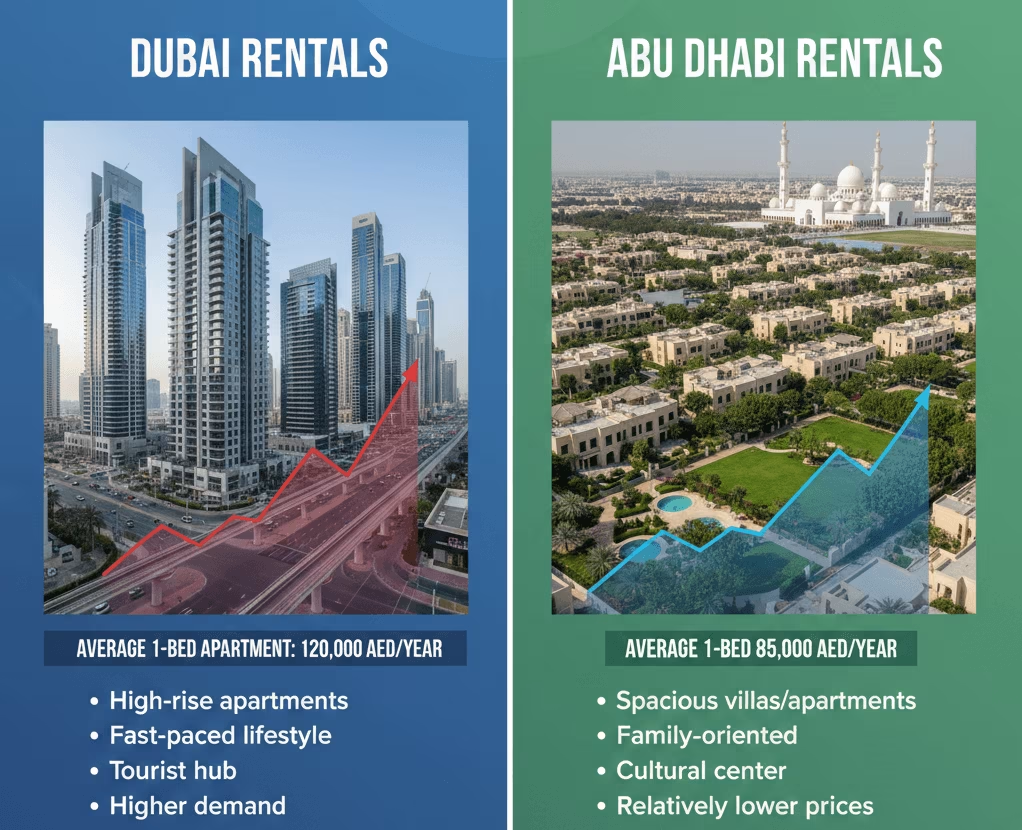
When rent comparison Dubai vs Abu Dhabi, Dubai generally offered higher rents across all apartment types in 2025. These surveys indicate higher demand and lifestyle premium.
According to recent cost of living data, a studio apartment in Dubai costs an average of around AED 52,000 per year, while similar studio apartments in Abu Dhabi cost an average of around AED 30,000 per year. So it can be concluded that Abu Dhabi studio apartments are significantly cheaper on average.
Studio Apartments
Dubai: Studio rents in more casual areas of Dubai are typically between AED 45,000 and AED 70,000 per year, with prices increasing in more affluent or premium neighborhoods. Furnished options are widely available and often cheaper in areas popular with short-term renters.
Abu Dhabi: Studios in Abu Dhabi are generally more affordable, with an average annual rent of around AED 30,000, and often have lower unfurnished rental rates. If you’re looking for furnished units, they are available, but be aware that furnished units are less common in Abu Dhabi than in Dubai, especially in areas outside the city center.
1-Bedroom Apartments
Rents for one-bedroom apartments in Dubai typically range from AED 70,000 to AED 110,000 per year. Of course, the rents depend entirely on the area you choose to live in Dubai.
Rents are usually highest in central areas such as Downtown and Marina. In Abu Dhabi, one-bedroom units often rent for an average of AED 59,000 per year. It is worth noting that some of them cost around AED 40,000 to AED 65,000, depending on the location and amenities.
2-Bedroom Apartments
Dubai: It’s only natural that two-bedroom apartments command higher rents. Rents range from around AED 115,000 to AED 170,000 per year in popular areas and even higher in luxury neighborhoods.
Two-bedroom apartments are often chosen by families and professionals looking for more space.
Abu Dhabi: You’ll need to pay an average of around AED 92,000 per year to rent a two-bedroom apartment in Abu Dhabi. This offers more value per square meter compared to Dubai, especially in family-friendly neighborhoods.
While the rent for two-bedroom apartments in Abu Dhabi continues to rise due to increased demand, it is still more affordable for long-term tenants.
Cost of Living Beyond Rent
Rent comparison Dubai vs Abu Dhabi is important, but focusing on just one part of the cost, the rent, is not very accurate. Because you also need to pay attention to the costs related to utilities, transportation, food and lifestyle expenses so that you can better allocate your monthly budget to each part of the cost.
Overall, Abu Dhabi is slightly cheaper than Dubai on many everyday costs, making it an attractive option for renters on a budget.
Utilities and bills:
In both cities, basic costs (electricity, water, cooling) and internet are significant monthly expenses. Dubai’s utility bills are higher on average than Abu Dhabi. This is not due to the higher demand for the area, but partly due to the warmer climate and higher consumption patterns.
Transportation costs:
Dubai offers a more extensive and modern public transportation system (metro, tram, bus) which can reduce commuting costs, but overall transportation costs (including taxis) are slightly higher than in Abu Dhabi.
Most people living in Abu Dhabi use buses and cars to get around. In general, public transportation fares are slightly lower in Abu Dhabi.
Food and lifestyle costs:
Food prices are relatively similar in both cities, although Abu Dhabi sometimes offers slightly lower prices for basic items. However, if you prefer eating out and having some fun, you should be aware that Dubai’s vibrant lifestyle generally comes with a higher cost.
Neighborhoods That Offer Best Value for Renters
Dubai and Abu Dhabi both have areas that offer great rental value without the outrageous prices. So don’t worry, you can still find good options in Dubai on a budget outside the city center and marina, as the newer neighborhoods offer decent living space, accessibility, and amenities for a moderate budget.
In Abu Dhabi, it’s not hard to find affordable housing in the suburbs and industrial fringes. They often have larger units and family-friendly environments. For those looking for long-term stays and renters looking to find affordable housing, Abu Dhabi is a great option.
Top Affordable Areas in Dubai
Jumeirah Village Circle (JVC) is one of the best neighborhoods in Dubai, known for its affordable rents and family-friendly living with access to parks, schools and highways.
Rental prices in JVC are generally lower than many central areas, while you will have access to modern apartments and good amenities.
International City is also an affordable rental hub with studios and one-bedroom units. Rental prices in this Dubai area are significantly lower than the average rent in central Dubai. This area is known to be ideal for students, young professionals and small families.
Dubai Silicon is suitable for those who want both affordable housing and access to modern living. Dubai Silicon has affordable apartments, schools, social amenities and easy access, making it a practical choice for long-term tenants.
Top Affordable Areas in Abu Dhabi
Khalifa City is a popular and affordable suburb in Abu Dhabi. Here you can access lower rental rates for larger apartments and villas. In addition, access to family-friendly amenities and good transport links to the city and the airport also make this area stand out in Abu Dhabi.
Mussafah is known as one of the most affordable rental areas in Abu Dhabi. If you are one of those tenants who prefer low monthly costs over high housing costs, choosing accommodation in Mussafah will be right for you.
Al Khalidiyah offers relatively affordable apartment options and proximity to central Abu Dhabi services. This is why tenants tend to choose this area for their living. Al Khalidiyah is a worthwhile choice for singles and couples.
Rental Experience – Amenities & Lifestyle
When rent comparison Dubai vs Abu Dhabi, we find that both cities offer high standards of living. However, the lifestyles of Dubai and Abu Dhabi are different and the amenities offered are different.
Dubai’s residential buildings often have more extensive facilities. For example, if you need gyms, swimming pools, concierge services and social spaces, you can access these facilities in the neighborhood where you live.
Proximity to major shopping malls, entertainment venues and international schools makes it convenient for professionals and families.
Abu Dhabi, in contrast, offers a more relaxed atmosphere with a favorable safety rating and the family-friendly environment it offers is attractive to long-term residents.
Expat & Local Preferences
Rent comparison Dubai vs Abu Dhabi is essential for expats. The choice often comes down to lifestyle, career opportunities and long-term goals. Dubai typically offers a faster-paced job market, a broader industry presence in technology, finance, tourism, higher average salaries and a more vibrant social scene.
Dubai is attractive to professionals looking for career growth and variety and attracts a larger expat community.
Abu Dhabi, in contrast, attracts expats whose priorities are affordable housing, stability and family life. Those who want to experience long-term residential life with lower rents and a slower pace.
Abu Dhabi’s employment outlook emphasizes government and energy sector roles and supports longer-term rental behavior and predictable living patterns. But Dubai is not like that, with Dubai’s dynamic job market driving higher turnover and shorter-term rentals among remote professionals.
Flexibility – Short-Term vs Long-Term Rentals
Dubai’s Short-Term Rental Ecosystem
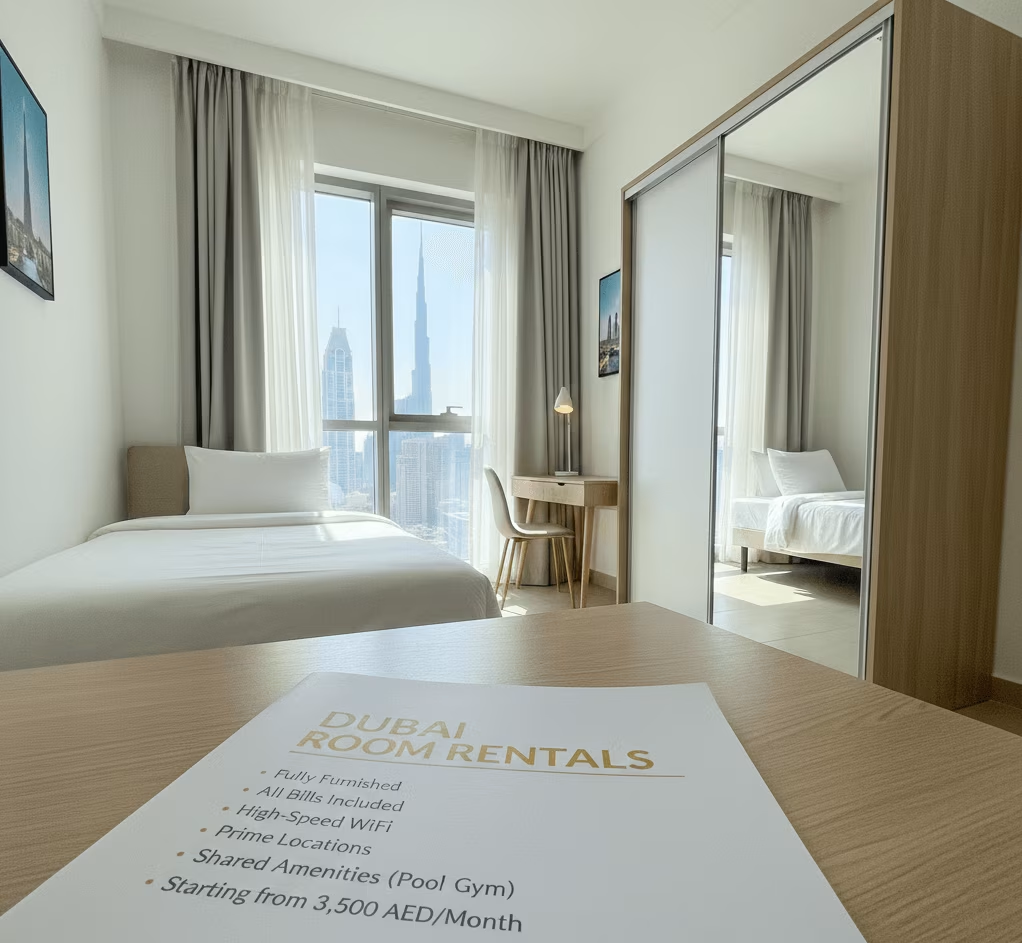
Looking for flexible short-term stays? Dubai’s rental market strongly supports flexible short-term stays, from nightly to monthly rentals. These short-term rentals, which are often fully furnished, are regulated through holiday home licenses.
Short-Term Rentals are very popular in Dubai’s busiest areas, such as Downtown and Dubai Marina.
Short-Term Rentals in Dubai are popular with a diverse group of people, including tourists, business visitors, freelancers, and remote workers looking to relocate without long-term commitments.
At first glance, short-term options tend to have higher monthly rates than annual rentals, but they also include certain amenities and facilities and can generate higher returns during peak seasons.
This flexibility in renting property in Dubai has made Dubai a magnet for those who want to experience more flexibility. Many people with specific circumstances are not willing to sign 12-month contracts and prefer easy entry and exit without any specific commitments.
Abu Dhabi’s Long-Term Rental Stability
Rent comparison Dubai vs Abu Dhabi, we see that the rental landscape in Abu Dhabi is more oriented towards long-term annual leases. This type of stability offers predictable costs for families and professionals with steady jobs.
These contracts are usually registered under the official tenancy law. So, it can be said that they provide security and lower monthly costs compared to short-term stays. On the other hand, they have less flexibility to move quickly.
Long-term leases help tenants establish social bonds and reduce the hassle of moving, making them ideal for residents who plan to stay in one place for a long time.
Tips for Renters Choosing Between Dubai and Abu Dhabi
When planning a move to Dubai or Abu Dhabi, effective preparation and smart strategies can help you secure the best rental deal and avoid common pitfalls. So, it’s important to keep the following tips in mind.
Budget Planning Checklist: First, set a specific monthly rental budget. Ideally, it shouldn’t exceed about 30% of your income, then factor in other expenses like security deposits, agency fees, utilities, and service charges into your calculations.
Building an emergency fund and planning for utility deposits will help prevent financial stress during the lease term.
How to Prioritize Location vs Price: Research neighborhoods that suit your lifestyle and commuting needs. This way, you can balance your location preferences with rental costs.
For example, the central areas of Dubai offer convenience and access to everything you want but have higher rents, while the suburbs in both cities are often cheaper.
Negotiation and Rental Strategies: Always check comparable rents and pay attention to tools like the RERA Rent Index. In Abu Dhabi, offering to pay in smaller installments (for example, one or two installments instead of four) can convince landlords to offer you a discount or more concessions.
Conclusion — Which City Offers Better Value in 2026?
The rent comparison Dubai vs Abu Dhabi shows that Abu Dhabi remains more affordable overall, especially for renters planning to stay in the UAE for the long term, looking for larger living spaces and predictable costs.
Average rents, utility bills and lifestyle costs are generally lower in Abu Dhabi, making it a strong choice for families, government workers and professionals with stable contracts.
On the other hand, the rent comparison Dubai vs Abu Dhabi shows that Dubai comes at a higher price. It’s not just about price, of course, with its higher rents coming with more flexibility, short-term rental options and access to a wider private sector job market. Living in Abu Dhabi benefits entrepreneurs, remote workers and young professionals in a number of ways.
Ultimately, the better value in 2025 depends on your priorities. If your goal is cost efficiency, space, and long-term stability, Abu Dhabi seems like a smarter financial decision. But if you value lifestyle diversity and career opportunities, Dubai is a better choice, albeit with higher rental costs. The best choice depends on your circumstances. The city that best aligns with how you live, work, and plan for the future will be the best choice for you.